
Avoid a Frozen Pipe Disaster: What to Watch For
When you think of Orlando winters, you probably picture light jackets and slightly cooler evenings, not snow and ice. However, Central Florida is not immune to freezing temperatures. While rare, cold snaps can and do happen, and because our homes are not built to withstand them, the risk to your plumbing is surprisingly high. A burst pipe can pump hundreds of gallons of water into your home in a matter of minutes, causing catastrophic damage to your floors, walls, and personal property.
Most homeowners here do not give their pipes a second thought until it is too late. We assume that because we live in the Sunshine State, frozen pipes are a “northern problem.” This complacency is dangerous. In fact, pipes in Florida are often more vulnerable because they are located in unheated attics, crawl spaces, or exterior walls with little to no insulation. When the temperature dips below freezing, even for just a few hours, the water inside can expand and shatter the pipe. Recognizing the early warning signs and knowing how to prevent this disaster can save you thousands of dollars and a massive headache.
Why Florida Pipes Are at Risk
It might seem counterintuitive, but a hard freeze in Orlando can be more damaging than a similar event in New York. Homes in colder climates are designed with freezing weather in mind. Their pipes are buried deep underground, their walls are heavily insulated, and their plumbing is routed through heated interior spaces.
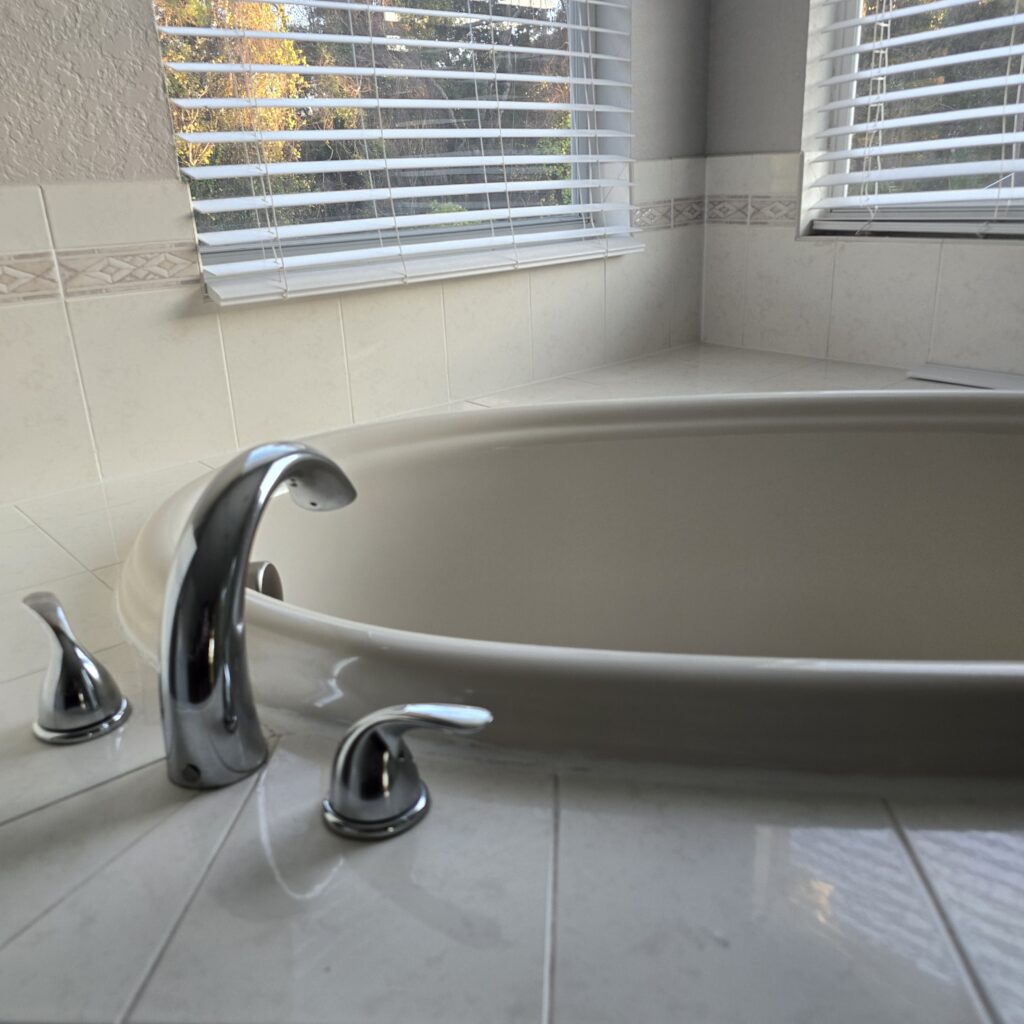
In contrast, Florida homes are built to release heat. Our water lines often run through the attic, where they are exposed to the cold air, or along exterior walls that lack significant insulation. We also have many outdoor plumbing fixtures, such as pool pumps, irrigation systems, and hose bibs, that are completely exposed to the elements. When a cold front pushes temperatures into the 20s or low 30s, these exposed pipes can freeze rapidly. The ice inside the pipe expands, increasing pressure until the metal or plastic simply cannot hold it anymore. The result is a rupture that releases a torrent of water once the ice thaws.
The Silent Signs of a Frozen Pipe
The most dangerous aspect of a frozen pipe is that you often do not know it has happened until the thaw begins. However, there are subtle signs you can watch for during a cold snap. The most obvious is a lack of water. If you turn on a faucet and only a trickle comes out, or nothing at all, you likely have a blockage caused by ice. This is a red flag that requires immediate action.
Need a water damage claim for your home? Click here for our water damage adjuster.
Another sign is frost on visible pipes. If you can see the pipes under your sink or in your garage and they are covered in frost, the water inside is frozen. You might also notice strange smells coming from your drains. If a pipe is partially blocked by ice, odors can be trapped and forced back up into your home.
Listen to your plumbing. Banging or clanking sounds when you use the water can indicate that ice is forming and disrupting the flow. If you see damp spots on drywall or ceilings, or if you notice a sudden drop in water pressure across the entire house, you may already have a leak that is just starting to show itself.
How to Prevent the Burst
Prevention is far cheaper than restoration. When the forecast calls for freezing temperatures in Orlando, you need to take action. Start outside. Disconnect all garden hoses and drain them. If you have a pool, keep the pump running; moving water is much harder to freeze. Cover any exposed outdoor faucets with foam covers or even towels wrapped in plastic and secured with tape.
Inside, the goal is to keep warm air moving around your pipes. Open the cabinet doors under your kitchen and bathroom sinks. This allows the warmer air from your home to circulate around the plumbing. If you have pipes in the garage, keep the garage door closed to retain as much heat as possible.
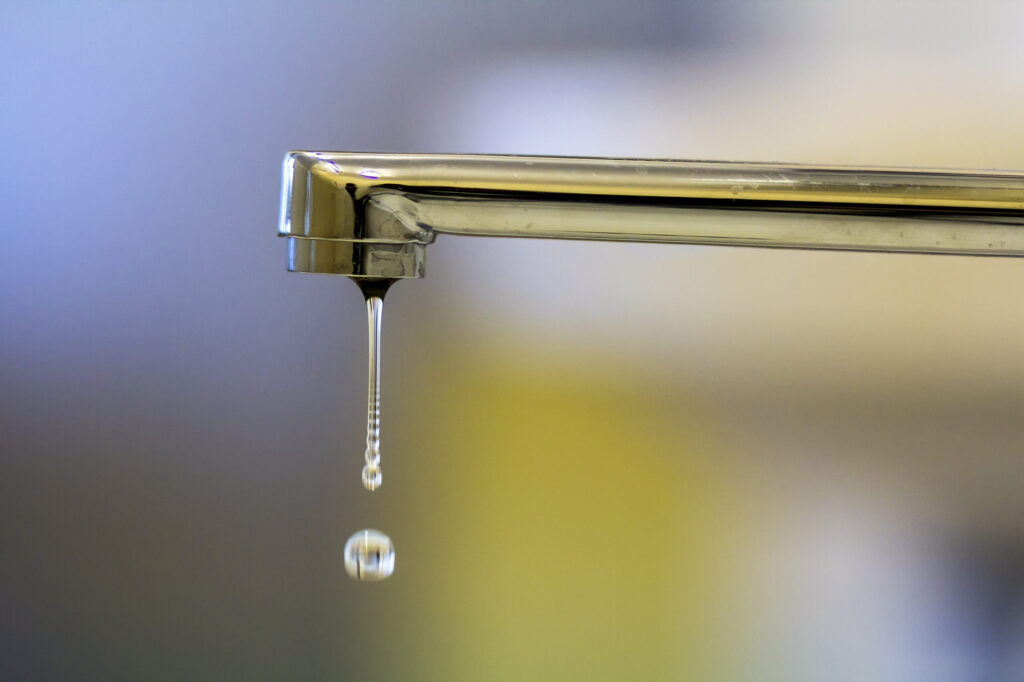
The most effective trick is the drip. Locate the faucet furthest from your main water shut-off valve and let it drip slowly. You want a steady trickle, not just a drop every few seconds. This keeps water moving through the entire system. It is much harder for moving water to freeze, and even if ice does form, the open faucet relieves the pressure that causes pipes to burst.
What to Do If Disaster Strikes
If you wake up to a flooded house or a ceiling that is raining, panic is your enemy. You need to act fast. The very first thing you must do is shut off the main water supply to your home. Every homeowner should know exactly where this valve is and how to operate it. It is usually located in a box near the street or on the side of the house. Turning this off stops the flow of water and limits the damage.
Once the water is off, open all the faucets in your house to drain the remaining water from the system. This relieves any built-up pressure. Do not try to thaw a frozen pipe with an open flame like a torch; this is a fire hazard and can damage the pipe further. You can use a hair dryer or heat tape, but proceed with caution.
Call a licensed plumber immediately to repair the break. Then, call a water mitigation company to begin the drying process. Water that sits for even a few hours can seep into subfloors and drywall, leading to mold growth in as little as 24 to 48 hours.
Is It Covered by Insurance?
This is the question on every homeowner’s mind. Generally, a standard homeowners insurance policy covers “sudden and accidental” discharge of water from a plumbing system. This typically includes a burst pipe from freezing. However, there is a catch. Most policies have a requirement that you maintain heat in the home or take reasonable steps to prevent freezing.

If you leave your home for a winter vacation and turn the heat completely off, and a pipe bursts, the insurance company may deny your claim due to negligence. They may argue that you failed to maintain the property. Similarly, if the leak is the result of a slow, long-term issue rather than a sudden burst, coverage may be denied.
Furthermore, while the policy usually covers the water damage to your home (the “ensuing loss”), it often does not cover the cost of repairing the pipe itself. This is a minor expense compared to the water damage, but it is a distinction that often confuses homeowners.
Why You Need a Public Adjuster
Water damage claims are notoriously difficult. Insurance adjusters often try to minimize the scope of the damage. They might agree to dry out the carpet but refuse to replace the pad underneath. They might pay to paint a water-stained ceiling but deny the cost of removing the wet insulation in the attic. They might try to claim the damage is from a “long-term leak” to avoid paying anything at all.
This is where US CARE Claims comes in. We are experts in water damage claims. We use thermal imaging and moisture meters to map the full extent of the water migration. We find the water hidden behind cabinets and under tile that the insurance adjuster misses. We ensure that your claim includes the cost of proper drying, mold prevention, and full restoration of your home to its pre-loss condition. We fight the “negligence” arguments and hold the insurance company to the terms of your policy.
A frozen pipe might seem unlikely in Orlando, but the damage it causes is very real. A little preparation can save you from a disaster, but if the worst happens, you do not have to face the insurance company alone. Do not let a denied or underpaid claim leave you with a water-logged home. If you have suffered water damage from a burst pipe, call US CARE Claims. We will handle the claim so you can focus on drying out and moving forward.