How a Public Adjuster Gets You Paid More
When you file an insurance claim for damage to your Orlando home, you enter into a transaction that is inherently unbalanced. On one side sits a multi billion dollar corporation with a team of lawyers, engineers, and adjusters whose primary goal is to protect the company bottom line. On the other side sits you, a homeowner with a damaged property, likely dealing with this complex process for the first time. You pay your premiums with the expectation that the insurance company will treat you fairly and pay the full cost to restore your home. The reality of the insurance industry is often quite different. Insurance carriers are businesses, and every dollar they pay out in claims is a dollar lost in profit. This financial incentive creates a system where initial settlement offers are frequently far lower than the actual cost of repairs.
Many homeowners accept these low offers because they do not realize they have another option. They assume the adjuster sent by the insurance company is the final authority on the value of the loss. This is a costly misconception. The difference between what the insurance company offers and what you are actually entitled to under your policy can be tens of thousands of dollars. Bridging this gap is the specific role of a public adjuster. At US CARE Claims, we do not just process paperwork. We systematically dismantle the insurance company’s lowball estimate and rebuild it using forensic evidence, expert pricing, and contractual leverage. We get you paid more not by magic, but by performing the rigorous work that the insurance company adjuster failed to do.
Exposing the Conflict of Interest in the Assessment
To understand how we increase your settlement, you must first understand why the initial offer was so low. The adjuster who inspected your home works for the insurance company. Whether they are a direct employee or a contracted “independent” adjuster, their paycheck comes from the carrier. Their performance is often judged by how quickly they can close files and how well they manage claim severity, which is industry speak for keeping payouts low. They are incentivized to overlook damage. If a roof has fifty wind damaged shingles, they might only mark ten. If a kitchen cabinet is water damaged, they might suggest a repair instead of a replacement. They are looking at your loss through a lens of cost containment.
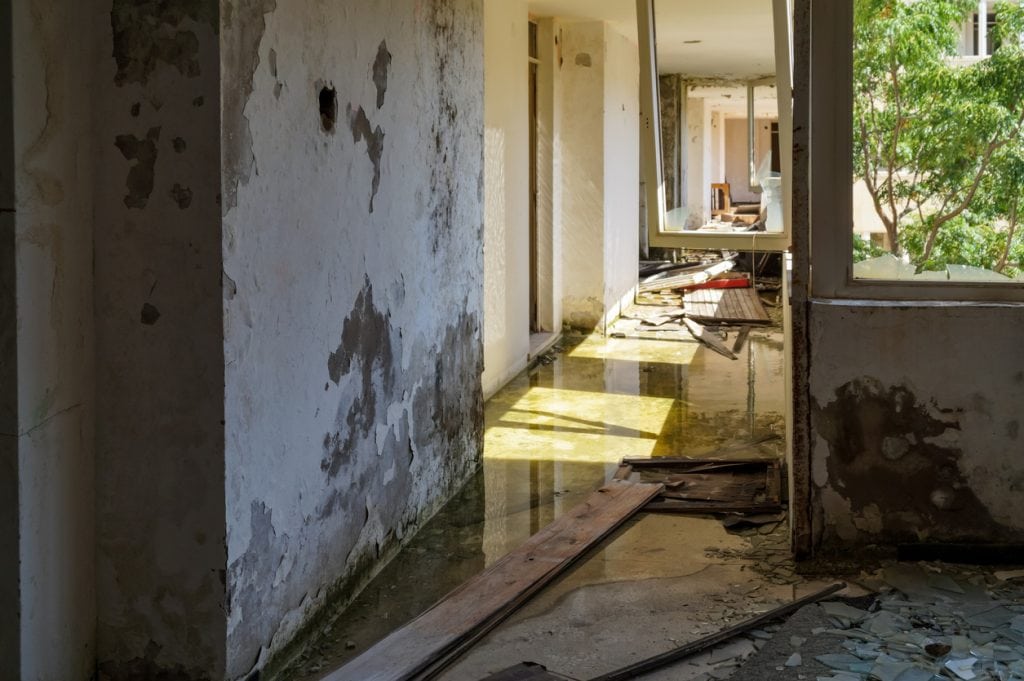
A public adjuster removes this conflict of interest. We work exclusively for you, the policyholder. Our compensation is a small percentage of the final settlement, which means our financial interests are perfectly aligned with yours. We are motivated to find every single dime of damage because the more we recover for you, the more we earn. This alignment drives us to conduct a much more thorough investigation. We do not rush through your home in twenty minutes. We spend hours inspecting every inch of the property. We look for the collateral damage that the company adjuster ignored. We look for the water that traveled behind the walls. We look for the smoke soot inside the HVAC ducts. By simply taking the time to document the full scope of the loss, we immediately increase the value of the claim because we are pricing the reality of the damage rather than the insurance company’s minimized version of it.
This difference in perspective is critical when it comes to “repair versus replace” decisions. An insurance adjuster will almost always default to the repair option because it is cheaper. They will suggest patching a roof or drying out a carpet. A public adjuster defaults to what is best for the property and what is owed under the policy. We argue that a patched roof diminishes the value of your home and that a dried carpet is unsanitary. We fight for full replacement, which significantly increases the payout.
Mastering the Xactimate Pricing Game
The insurance industry relies on a specific software called Xactimate to calculate repair costs. This program uses a massive database of price lists to determine how much it costs to hang drywall, paint a room, or replace a roof in Orlando. However, Xactimate is not a perfect calculator. It is a tool that is highly dependent on the inputs provided by the user. If you put garbage data in, you get a garbage estimate out. Insurance adjusters are notorious for manipulating these inputs to lower the total. They might use a generic price for “average quality” carpet when you have high end wool carpeting. They might omit critical line items like the cost to cover and protect your furniture during repairs or the cost of a dumpster for debris removal.
Need a water damage claim for your home? Click here for our water damage claim adjuster.
We are experts in Xactimate. We use the same software, but we use it correctly. We ensure that every single step of the construction process is accounted for as a line item. We do not just charge for “painting walls.” We charge for masking the outlets, priming the surface, applying two coats of high quality paint, and cleaning up afterwards. We add line items for “overhead and profit,” which is a standard twenty percent fee that general contractors charge but insurance companies often try to exclude. We ensure that the waste factor for materials like tile and roofing shingles is calculated correctly so you have enough material to do the job.
By building a comprehensive estimate that reflects the true complexity of the work, we often produce a number that is double or triple the insurance company’s initial figure. This is not inflation; it is accuracy. The insurance company’s estimate is usually a theoretical minimum that no reputable contractor would accept. Our estimate is a real world budget that allows you to hire quality professionals to restore your home. We confront the carrier with this data and force them to explain why they omitted hundreds of necessary construction steps. When faced with a line by line rebuttal, they are often forced to concede and raise their offer.
Leveraging Policy Endorsements and Statutes
The physical damage is only half of the equation. The other half is the insurance policy itself. This document is a dense legal contract filled with endorsements, exclusions, and conditions. Most homeowners do not know what is in their policy, and insurance adjusters often bank on this ignorance. They will pay for the basic structural repairs but fail to mention the additional coverages you have paid for. A public adjuster reads your policy with a fine tooth comb to unlock these hidden funds.

One of the most powerful tools we use in Florida is the “Ordinance or Law” coverage. This part of your policy pays for the extra cost of bringing your home up to current building codes during repairs. If you have an older roof or an outdated electrical system, the cost to upgrade it to 2025 standards can be massive. Insurance adjusters rarely volunteer this coverage. We demand it. We identify the specific code upgrades triggered by the loss and add them to the claim. This alone can add ten thousand dollars or more to the settlement.
We also leverage Florida’s “Matching Statute.” This law states that if the insurance company repairs a portion of your home, like a tile floor or a siding wall, the new materials must match the old ones in quality, color, and size. If a match cannot be found, they must replace the entire area to ensure a uniform appearance. Insurance companies hate this statute. They want to patch your floor with mismatched tile and call it a day. We use this law to turn a small repair job into a full replacement of the flooring or siding throughout the entire house or continuous area. This statutory knowledge allows us to expand the scope of the claim legally and legitimately.
The Power of Professional Negotiation
Insurance claims are a negotiation. The first check they send you is an offer, not a final verdict. However, negotiating with an insurance carrier is difficult if you do not speak their language. They will use terms like “betterment,” “depreciation,” and “concurrent causation” to confuse you and justify their low numbers. They will delay the process, hoping you get desperate and accept whatever they offer. Most homeowners eventually wear down and give in.
Want to know what to check for after having roof wind damage? Click here for more information.
A public adjuster changes the power dynamic. We handle the negotiation for you. We speak the language of the insurance industry. When they claim that a roof is “wear and tear,” we counter with meteorological data proving wind damage. When they claim a cost is “unreasonable,” we counter with three bids from local licensed contractors. We do not get emotional; we get factual. We treat the claim as a business transaction and hold the carrier accountable to the terms of the contract.
We also understand the timeline. We know that insurance companies in Florida have strict deadlines to pay or deny claims. We use this statutory pressure to keep the process moving. By removing the emotional burden from you and placing a professional advocate in your corner, we signal to the insurance company that they cannot bully their way to a cheap settlement. They know that we are prepared to take the claim to appraisal or mediation if they do not offer a fair amount. This readiness to fight often compels them to put their best number on the table much sooner.
Finding the Hidden Damage They Missed
The most significant way we increase a settlement is by finding damage that the insurance company completely missed. Adjusters often perform a surface level inspection. They see a water stain on the ceiling and write an estimate to paint it. They do not go into the attic to check the wet insulation. They do not remove the baseboards to check for mold on the drywall. They do not check the electrical outlets for corrosion after a smoke loss. These missed items are not just minor details; they are potential health hazards and major financial liabilities.
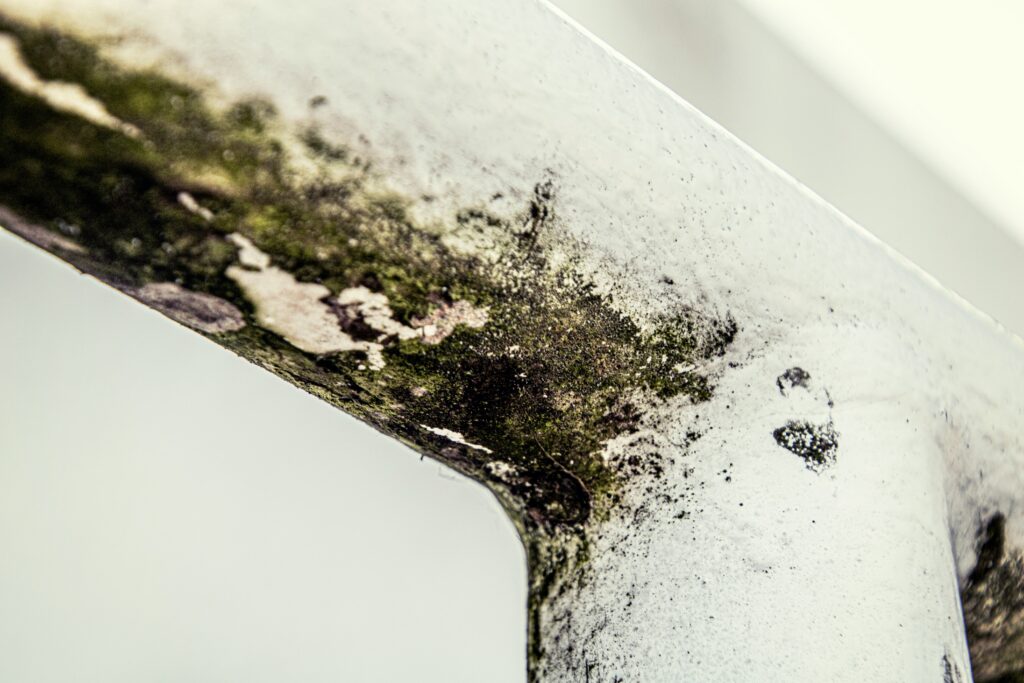
We approach every claim as a forensic investigation. We use thermal imaging cameras to see moisture behind walls that feels dry to the touch. We use moisture meters to map the spread of water under tile floors. We bring in engineers to assess structural cracking. We bring in industrial hygienists to test for smoke particulates and mold spores. We document everything.
For example, in a fire claim, an adjuster might pay to clean the smoke off the walls. We might prove that the heat from the fire compromised the window seals and that the smoke entered the wall cavities, requiring the removal of the drywall and insulation. This transforms a five thousand dollar cleaning claim into a fifty thousand dollar restoration claim. We ensure that you are paid for the full extent of the damage, even the damage you cannot see with the naked eye. This thoroughness protects the future value of your home and ensures you have the funds to fix the problem correctly the first time.
The insurance company has a strategy to pay you as little as possible. You need a strategy to get paid what you are owed. A public adjuster provides that strategy. By eliminating the conflict of interest, mastering the pricing software, leveraging the fine print of your policy, negotiating professionally, and finding hidden damage, US CARE Claims consistently secures significantly higher settlements for our clients. The fee we charge is an investment that yields a high return, often resulting in a net payout that is far greater than what you would have received on your own. Do not leave your financial recovery to the generosity of a for profit corporation. Level the playing field and demand the full value of your claim.