
Signs You Might Have Hidden Water Damage
Water is the most destructive force a home can face. It is patient and persistent. While a catastrophic pipe burst or a storm-damaged roof grabs your immediate attention, the slow and silent leaks are often the ones that cause the most devastation. Hidden water damage is a crisis that grows in the dark. It rots structural wood, breeds toxic mold, and compromises the integrity of your home long before you ever see a puddle on the floor. For homeowners in Orlando, the risk is compounded by our humid climate, which prevents damp materials from drying out naturally. The moisture gets trapped inside walls, under slab foundations, and above ceilings, turning your home into a sponge that slowly degrades from the inside out.
Detecting these hidden leaks requires a shift in how you observe your property. You cannot rely solely on obvious signs like flooding or dripping water. You must learn to read the subtle changes in your home environment. These signs are often dismissed as minor annoyances or cosmetic aging, but they are actually distress signals from your building materials. Recognizing them early is the difference between a simple repair and a total gut renovation. Ignoring them allows the damage to spread, the costs to skyrocket, and the insurance claim process to become significantly more complicated. You have to be vigilant. You have to investigate the strange smells, the slight discolorations, and the unexplained changes in your utility bills. By the time water damage becomes obvious to the naked eye, the destruction behind the scenes is usually extensive.
The Nose Knows: Identifying Persistent Odors
Your sense of smell is often the first alarm system to trigger when there is hidden moisture. That distinct, earthy, musty odor is unmistakable. It is the smell of biological growth. Mold and mildew begin to colonize damp organic materials like drywall, wood, and insulation within twenty-four to forty-eight hours of exposure. As these fungi consume the material of your home, they release microbial volatile organic compounds into the air. This is what you smell. If you walk into a room and notice a heavy or damp scent that does not go away with cleaning or airing out the space, you almost certainly have a moisture problem.
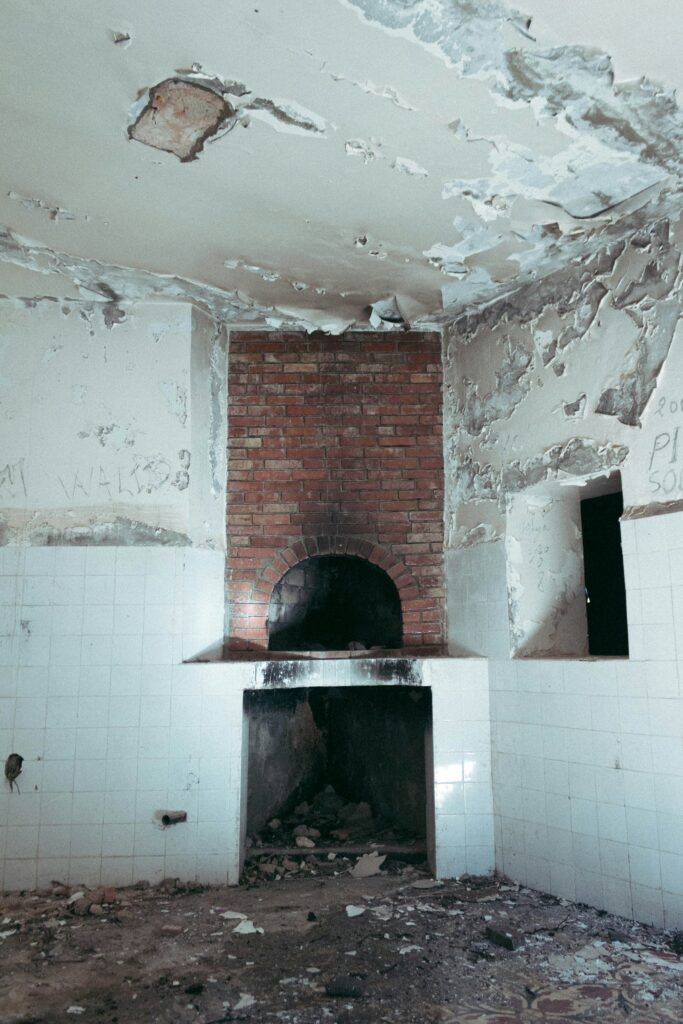
Many homeowners make the mistake of trying to mask these odors with air fresheners or candles. This is dangerous. It covers up the symptom while the disease continues to eat away at your house. You might think the smell is just coming from old carpet or high humidity, but in a climate controlled Orlando home, persistent mustiness is not normal. It indicates that there is a source of water feeding mold somewhere you cannot see. It could be a slow drip inside a wall cavity from a plumbing stack. It could be a leak in the roof that is saturating the attic insulation but has not yet broken through the ceiling.
Pay close attention to where the smell is strongest. If it is confined to a specific bathroom or closet, the leak is likely nearby. However, if the smell is pervasive throughout the house, the problem might be in your HVAC system. When condensation pans overflow or ductwork sweats due to poor insulation, mold can grow directly inside the air handler or the ducts. Every time the AC turns on, it blows those mold spores and odors into every room. This distributes the contamination and makes it difficult to pinpoint the source without professional equipment. If you smell mold, do not ignore it. It is proof that water is present where it should not be.
Visual Clues on Walls and Ceilings
While water likes to hide, it eventually leaves a mark. The signs on your walls and ceilings are often subtle at first, but they tell a clear story of intrusion. One of the most common indicators is discoloration. You might notice a faint yellow or brown ring on your white ceiling. It might look like a shadow or a stain from a past spill. These stains are caused by minerals in the water reacting with the paint and drywall. Even a spot the size of a coin indicates that water has pooled on the other side of that drywall. It suggests that there is enough water to soak through the paper backing, the gypsum core, and the paint itself.
Need a water damage claim for your home? Click here for our water damage adjuster.
Another major red flag is the texture of the paint. Latex paint is elastic. When water saturates the drywall behind it, the water tries to push through. The paint can form a barrier, trapping the water in a bubble or blister. If you see paint that is bubbling, peeling, or cracking, do not just scrape it off and repaint. You must investigate what is behind it. Press on the area gently. If the wall feels soft, spongy, or swollen, the drywall has lost its structural integrity due to saturation. In severe cases, the drywall may even begin to crumble or bow outward under the weight of the wet insulation behind it.
Look down at your baseboards as well. Water follows gravity. It runs down the inside of the wall and pools at the bottom plate where the wall meets the floor. The baseboards are often made of wood or composite materials that absorb this water greedily. As they swell, they pull away from the wall or the floor, creating unsightly gaps. You might see the caulk line cracking or separating. The paint on the baseboard might start to flake off. If your baseboards look warped or if they are separating from the wall, it is highly likely that there is water wicking up from the bottom. This is a classic sign of a slab leak or a plumbing failure inside the wall cavity.
What Your Floors Are Trying to Tell You
Your flooring is one of the largest surfaces in your home, and it reacts dramatically to hidden water. The signs vary depending on the type of flooring you have, but they all point to the same problem. If you have hardwood or laminate floors, look for “cupping.” This happens when the edges of the planks rise higher than the center, creating a concave shape. It creates a washboard effect across the floor. Cupping occurs because the bottom of the wood plank is absorbing moisture from the subfloor, causing it to swell more than the top of the plank. This is a definitive sign of moisture underneath the floor, often caused by a slab leak or high humidity in a crawlspace.
Tile floors offer different clues. Ceramic and porcelain tiles are impervious to water, but the grout lines are not. If you notice that your grout is constantly dark or discolored, even after cleaning, it may be absorbing water from below. In more advanced cases, the water pressure can actually break the bond between the thinset and the concrete slab. You might step on a tile and feel it shift or hear a hollow sound. Loose or “tenting” tiles are a major warning sign. It means the water has compromised the adhesive layer holding your floor down.
Carpet hides water better than any other material, which makes it particularly dangerous. You might not see a stain on the carpet surface, but you might feel dampness when you walk on it in bare feet. If a room feels unusually humid or if the carpet feels cold and heavy, investigate immediately. Pull back a corner of the carpet in the suspect area. Look at the tack strip and the padding. If the tack strip is rusted or black with mold, you have had water there for a long time. The padding acts like a sponge, holding onto water for weeks and ruining the subfloor underneath while the top of the carpet feels relatively dry.
The Silent Financial Alarm of High Utility Bills
Sometimes the sign of a leak is not physical but financial. A sudden, unexplained spike in your water bill is a clear indicator that water is escaping your system. If your usage habits have not changed but your bill jumps significantly, that water is going somewhere. It might be running continuously into the ground from a broken main line, or it might be spraying inside a wall. Compare your current bill to the same month from the previous year. If there is a large discrepancy, you need to verify your meter. Turn off all the water sources in your house, including ice makers and irrigation. Go out to your water meter. If the dial is still spinning or the digital numbers are increasing, you have an active leak.
Want to know more about hurricane season impacts in Florida? Click here for more information.
Your electric bill can also provide clues, specifically regarding your HVAC system. When there is hidden water damage, the relative humidity inside your home increases. Wet drywall, wet insulation, and pools of water evaporate, adding moisture to the air. Your air conditioner’s primary job is to remove heat, but its secondary job is to remove humidity. When the humidity load is artificially high due to a leak, your AC unit has to work overtime to try to dry out the air. It runs longer cycles and turns on more frequently.
If you notice that your AC is running constantly but the house still feels clammy or warm, do not just assume the unit is failing. It might be fighting a losing battle against a hidden water source. This increased workload will show up as a sharp rise in your electricity costs. While a high electric bill can have many causes, when combined with other signs like musty odors or cupping floors, it helps confirm the diagnosis of a moisture intrusion problem. You are effectively paying for the water twice, once to leak into your home and once for the electricity to try to remove it.
Health Symptoms and Air Quality Drops
Your home is a closed ecosystem. When that ecosystem is contaminated by water damage and mold, the inhabitants often get sick before the house shows visible scars. This phenomenon is sometimes referred to as “Sick Building Syndrome.” If you or your family members start experiencing unexplained health issues that seem to worsen when you are at home and improve when you leave, your environment is likely the cause. The respiratory system is usually the first to react.

Mold spores are microscopic irritants. When inhaled, they can cause sneezing, coughing, runny noses, and red, itchy eyes. For people with asthma or existing respiratory conditions, the reaction can be much more severe, leading to frequent attacks or difficulty breathing. You might notice that you wake up congested every morning but feel clear by the time you get to work. This pattern suggests that your bedroom air quality is compromised.
It is not just about respiratory issues. Prolonged exposure to mold and damp environments can cause skin irritation, headaches, and fatigue. Infants and the elderly are particularly vulnerable. If you have a persistent cough that doctors cannot explain or if your allergies seem to be flaring up out of season, you need to consider the possibility of hidden mold growth. The mold does not need to be visible on the wall to affect you. If it is growing behind the drywall or under the floorboards, the spores can travel through electrical outlets, baseboard gaps, and HVAC vents. Your body is reacting to the particulates in the air. Listen to your body. It is often the most sensitive detection tool you have.
Hidden water damage is a predator that feeds on the structure of your home. It relies on your inattention to spread. The signs are there if you are willing to look for them. The smell of the air, the texture of the walls, the shape of the floorboards, and the bottom line of your utility bills all paint a picture of what is happening behind the scenes. Ignoring these subtle warnings is a gamble with expensive consequences. By the time the water shows itself plainly, the rot has often set in and the mold has taken hold. If you suspect you have a hidden leak, you cannot afford to wait. You need professional assessment to locate the source and document the extent of the loss. US CARE Claims uses advanced technology to find the water you cannot see and ensures your insurance carrier pays for the full scope of the remediation and repair.