
Florida Hurricane Season: What Homeowners Need to Know
For Florida homeowners, the period from June 1st to November 30th brings a unique blend of beautiful weather and underlying anxiety. Hurricane season is an undeniable reality of life in the Sunshine State. While we hope each season passes without incident, the potential for a powerful storm to cause significant damage to our homes and communities is ever-present. Preparation is the key to navigating this period with confidence and resilience.
Being truly prepared for hurricane season involves more than just stocking up on water and batteries. It requires a proactive approach to protecting your property and, just as importantly, understanding the financial safety net provided by your homeowner’s insurance policy. Knowing what steps to take before, during, and after a storm can make a world of difference in your ability to recover quickly and completely from a devastating event.
Understand Your Insurance Policy Before the Storm
The absolute worst time to try and figure out your homeowner’s insurance policy is in the chaotic aftermath of a hurricane. The single most important preparation you can undertake is to review your policy documents thoroughly, well before any storm is even forecasted. Understanding your coverage is paramount.
Pay close attention to what perils are covered. A standard homeowner’s policy typically covers damage from wind, but it almost universally excludes damage from flooding (rising surface water). Flood damage requires a separate flood insurance policy, usually obtained through the National Flood Insurance Program (NFIP) or a private carrier. Given Florida’s vulnerability to storm surge and heavy rainfall, having adequate flood insurance is critical for many homeowners, even those not in designated high-risk flood zones.
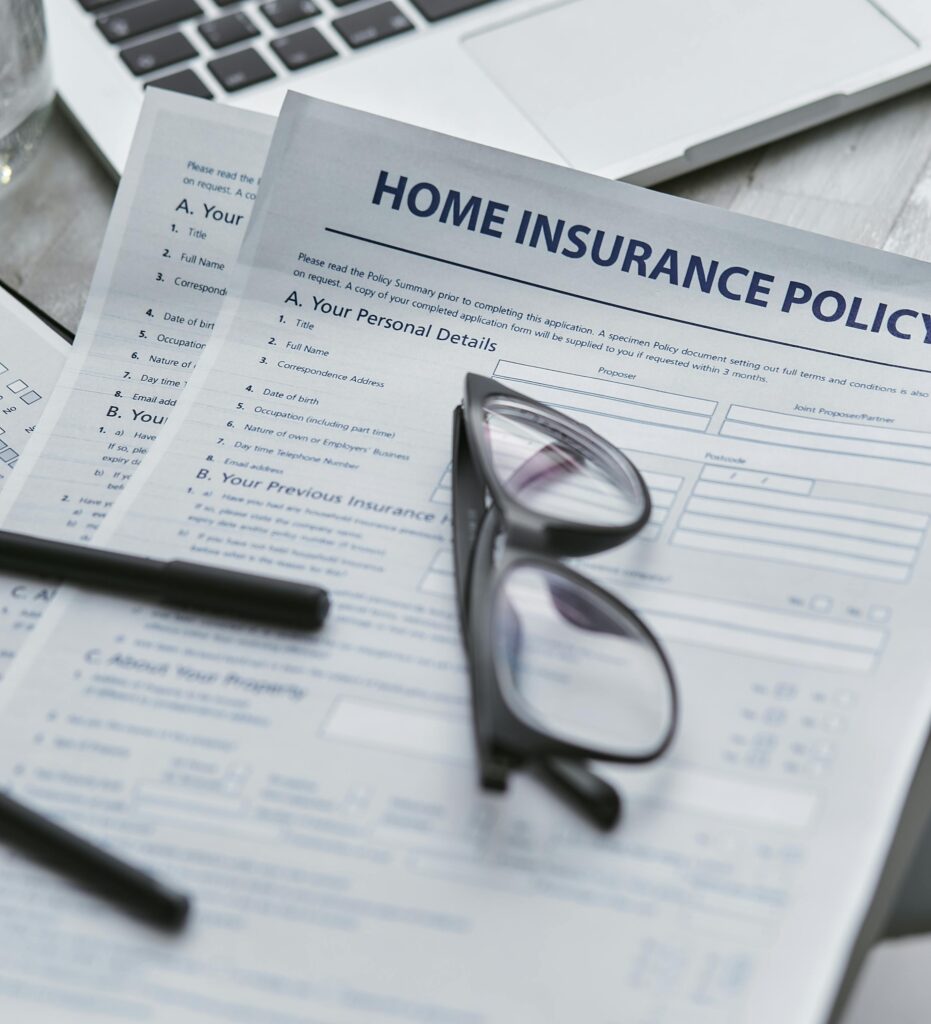
Another crucial element to understand is your deductible, particularly your hurricane deductible. Many Florida policies have a separate, higher deductible specifically for hurricane damage. Unlike a standard dollar-amount deductible, a hurricane deductible is typically calculated as a percentage (often 2%, 5%, or 10%) of your home’s insured value (Coverage A). For a home insured for $300,000 with a 5% hurricane deductible, you would be responsible for the first $15,000 of hurricane-related damage before your insurance coverage begins. Knowing this amount beforehand is essential for financial planning. Review your policy declarations page to confirm your specific deductible amounts.
Prepare Your Home: Mitigation Matters
Taking physical steps to strengthen your home against high winds and heavy rain is not just common sense; it can also positively impact your insurance claim. These actions demonstrate that you have taken reasonable steps to mitigate potential damage, which is a duty under most insurance policies.
Ensure your roof is in good condition. Have any loose or damaged shingles repaired, and make sure flashing around chimneys and vents is secure. Trim any dead or overhanging tree branches that could fall onto your home during high winds. Investing in hurricane shutters or impact-resistant windows provides the highest level of protection for your home’s openings, preventing wind and water intrusion. Secure loose items in your yard, such as patio furniture, grills, and trampolines, which can become dangerous projectiles in hurricane-force winds.
Clean your gutters and downspouts thoroughly. Clogged gutters can cause rainwater to back up and seep under your roof shingles, leading to water damage in your attic and ceilings. Ensure your downspouts direct water several feet away from your home’s foundation to prevent localized flooding. These preventative measures not only reduce the likelihood of damage but also show the insurance company that you are a responsible homeowner.
Document Your Property: Pre-Storm Evidence is Key
One of the most powerful tools you have in the insurance claims process is created before the storm even arrives: a detailed inventory of your home and its contents. In the event of significant damage, the burden of proof rests on you to document the full extent of your loss. Having a clear record of your property’s condition before the damage occurred is invaluable evidence.
Go through every room in your house and take comprehensive photographs and videos. Open closets and drawers to document the contents. Capture wide shots of each room and close-ups of valuable items, such as electronics, furniture, appliances, artwork, and jewelry. Store these digital files securely in the cloud or on a flash drive that you keep off-site, perhaps in a safe deposit box or with a trusted friend or family member outside the potential storm impact zone.

Compile important documents related to your home and belongings. This includes receipts for major purchases, appraisals for valuable items, and copies of your insurance policies. Having this information readily accessible after a storm, when your home may be damaged or inaccessible, will dramatically streamline the claims process and help ensure you receive fair compensation for your losses.
During the Storm: Prioritize Safety Above All Else
When a hurricane makes landfall, your focus must shift entirely to the safety of yourself and your family. Follow all evacuation orders issued by local authorities. If you are staying home, secure yourself in an interior room, away from windows and doors. Stay informed by listening to local news updates on a battery-powered radio or through smartphone alerts.
Do not attempt to go outside during the height of the storm, even during the deceptive calm of the hurricane’s eye. Flying debris poses a lethal threat, and conditions can change rapidly. Remember that property can be repaired or replaced, but lives cannot. Your safety is the only priority during the storm itself.
After the Storm: Immediate Steps and Documentation
Once the storm has passed and it is safe to venture outside, the recovery process begins. The actions you take in these first few hours and days are critical for both your safety and your future insurance claim.
First, ensure your immediate surroundings are safe. Be aware of downed power lines, which can be hidden in puddles or debris and remain energized. Avoid standing water, which may be contaminated or hide hazards. If you smell gas, leave the area immediately and call your utility company.
Next, begin documenting the damage. Take numerous photographs and videos of the damage to your home’s exterior from the ground before making any temporary repairs or cleaning up debris. Capture images of missing shingles, damaged siding, broken windows, and any fallen trees or limbs impacting your property. Then, carefully inspect the interior of your home, documenting any water stains on ceilings or walls, wet carpets or flooring, and damage to your personal belongings. Be as thorough as possible. This initial visual record is crucial evidence for your claim.
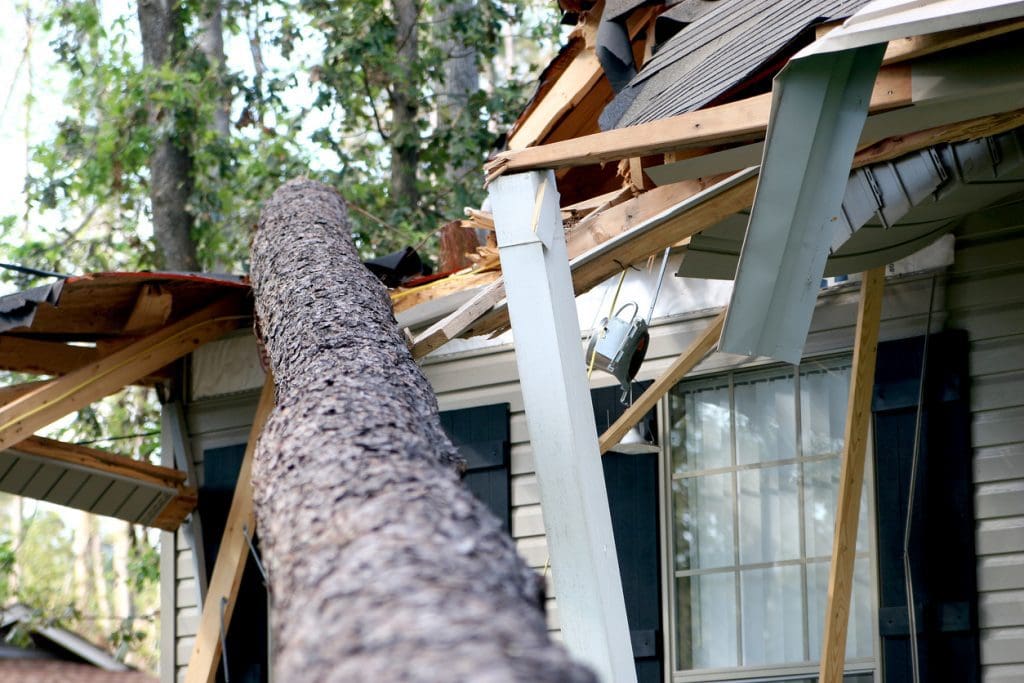
Finally, take immediate steps to mitigate further damage. This is your duty as a policyholder. If your roof is damaged, have it professionally tarped as soon as possible to prevent further water intrusion. Board up broken windows. If you have standing water inside, begin the process of removing it and drying out the affected areas with fans and dehumidifiers. Keep receipts for any expenses you incur for these temporary repairs, as they are typically reimbursable under your policy.
Navigating the Complex Claims Process
After ensuring your safety and taking steps to mitigate further damage, your next step is to notify your insurance company to start the claims process. Be prepared for potentially long wait times, as insurers will be inundated with calls after a major event.
Your insurance company will assign an adjuster to inspect your property. Remember, this adjuster works for the insurance company. While many are professional and fair, their job is to assess the damage based on the insurer’s guidelines and policies. They may overlook subtle or hidden damage, or they may interpret your policy coverage in a way that is favorable to the insurer.
The claims process requires you to submit extensive documentation, including your detailed inventory of damaged items and repair estimates from contractors. You will need to coordinate inspections, answer questions, and negotiate the settlement amount. This can be an overwhelming, time-consuming, and emotionally draining process, especially when you are also trying to manage repairs and get your life back to normal.
The Value of a Public Adjuster in Hurricane Claims
You do not have to navigate the complex and often adversarial insurance claims process alone. Florida law gives you the right to hire your own licensed professional advocate: a public adjuster. A public adjuster works exclusively for you, the policyholder, managing every aspect of your claim and fighting to ensure you receive the maximum settlement you are entitled to under your policy.
In the aftermath of a hurricane, a public adjuster’s expertise is invaluable. They understand the intricacies of Florida insurance policies and the specific types of damage caused by high winds, wind-driven rain, and storm surge. They will conduct their own exhaustive inspection of your property, often uncovering hidden damage to roofs, attics, walls, and foundations that the company adjuster may have missed. They meticulously document every detail of your loss, prepare professional estimates using industry-standard software, and handle all negotiations with the insurance company on your behalf.
Hiring a public adjuster levels the playing field. It ensures you have an expert looking out solely for your interests, countering the insurance company’s team of professionals. Studies show that policyholders who use public adjusters typically receive significantly higher settlements than those who handle claims themselves, even after the adjuster’s fee. They take the immense burden of managing the claim off your shoulders, allowing you to focus on your family and your recovery.
Hurricane season is a reality for every Florida homeowner. Preparation is your most powerful tool, encompassing not just physical readiness but also a clear understanding of your insurance coverage and the claims process. Knowing what to do before, during, and after a storm can make a profound difference in your ability to recover and rebuild.
When disaster strikes, remember that you have rights, and you have options. The insurance claim process can be challenging, but expert help is available. If your property suffers hurricane damage, consider partnering with a trusted public adjuster to protect your interests. Contact Claims Advocate Resolution Experts for a consultation to learn how we can be your dedicated advocate, ensuring you receive the full and fair settlement needed to restore your home and your peace of mind.