
Top 7 Reasons Insurance Claims Get Denied in Florida
Owning a home in Florida comes with the unique privilege of living in a beautiful, sunny climate. It also comes with the significant risk of facing severe weather events, from powerful hurricanes and tropical storms to intense thunderstorms and flooding. When disaster strikes and your property sustains damage, your homeowner’s insurance policy is supposed to be your financial safety net, the resource you rely on to rebuild and recover. Unfortunately, the path from filing a claim to receiving a fair settlement is often fraught with complications, and for too many homeowners, it ends in the frustrating and stressful outcome of a claim denial.
An insurance claim denial can feel like a devastating blow, especially when you are already dealing with the emotional and financial strain of property damage. While insurance companies sometimes have legitimate reasons for denying a claim, understanding the most common pitfalls can empower you as a policyholder. By knowing why claims are often rejected, you can take proactive steps to protect your rights, present a stronger case, and significantly increase your chances of achieving a successful and fair resolution.
Policy Exclusions and Limitations
One of the most frequent reasons for a claim denial is simply that the specific cause of the damage is not covered under the terms of your insurance policy. A homeowner’s insurance policy is a complex legal contract with very specific language outlining what perils (causes of loss) are included and, just as importantly, what perils are excluded.
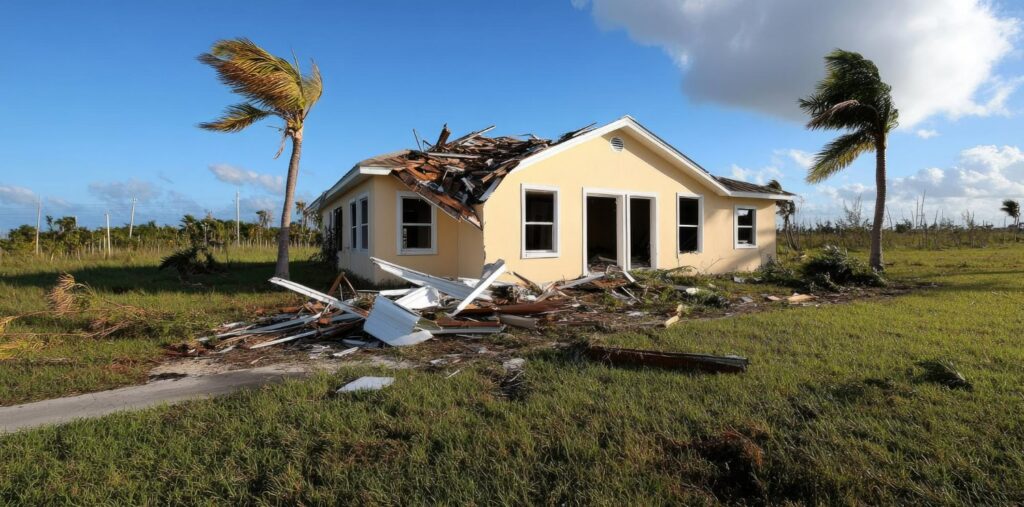
A classic and critical example in Florida is flood damage. Standard homeowner’s insurance policies almost universally exclude damage caused by flooding, which is defined as rising surface water. Protection against flood damage requires a separate policy, typically purchased through the National Flood Insurance Program (NFIP) or a private flood insurance carrier. Many homeowners incorrectly assume their standard policy covers all water damage, leading to devastating claim denials after a flood event.
Other common exclusions include damage resulting from normal wear and tear, gradual deterioration, lack of maintenance, earth movement (like sinkholes, unless a specific endorsement is purchased), and certain types of water damage, such as sewer backups (which often require a separate endorsement). It is absolutely essential for every homeowner to read their policy documents carefully before a loss occurs to understand the scope and limitations of their coverage. Assuming coverage exists without confirming it in the policy is a common and costly mistake.
Failure to Mitigate Damages
Your homeowner’s insurance policy is a contract with duties and responsibilities for both the insurer and you, the policyholder. One of your most important duties after suffering property damage is to take reasonable steps to prevent the damage from getting worse. This is known as the duty to mitigate damages. Failure to do so can be grounds for the insurance company to deny coverage for the subsequent, preventable damage.
Imagine a scenario where a severe thunderstorm blows several shingles off your roof, creating an entry point for water. If you fail to take action, such as having the damaged area professionally tarped, and a subsequent rainstorm causes significant water damage to your attic and ceilings, the insurance company may argue that this secondary damage was a direct result of your negligence. They might agree to pay for the initial roof repair but deny coverage for the extensive interior water damage because you failed to take reasonable steps to protect your property.
This principle is especially critical when dealing with water damage from any source, such as a burst pipe or an overflowing appliance. You must act quickly to stop the source of the water if possible, remove standing water, and begin the drying process immediately using fans and dehumidifiers. Delaying these actions can allow mold growth to begin, which is often subject to very limited coverage or may be excluded entirely if it resulted from a failure to mitigate the initial water damage.
Late Notice of Claim
Every insurance policy contains a clause that requires you to report any potential claim to the insurance company promptly or within a reasonable timeframe after the damage occurs or is discovered. While the definition of “promptly” can sometimes be debated, waiting weeks, months, or even years to report damage can severely jeopardize your claim.
Insurance companies argue that a significant delay in reporting prejudices their ability to conduct a thorough and accurate investigation of the loss. Evidence can degrade over time, conditions at the property can change, and it becomes much more difficult for the adjuster to determine the exact cause and extent of the damage that resulted from the specific covered event. For example, if you wait six months after a hailstorm to report roof damage, the insurer may argue that subsequent weather events could have contributed to the damage, making it impossible to isolate the covered loss.

Florida law does provide some protection for policyholders in this regard, stating that late notice alone is not enough to deny a claim unless the insurer can prove they were specifically harmed by the delay. However, this often becomes a point of contention and dispute. The safest and simplest course of action is always to report any potential damage to your insurance company as soon as you become aware of it, even if you are initially unsure about the full extent of the loss.
Lack of Sufficient Documentation or Proof of Loss
When you file an insurance claim, the burden of proof rests entirely on you, the policyholder, to demonstrate the full scope and value of your damages. Simply telling the insurance company that your roof is leaking or that your belongings were damaged is not enough. You must provide clear, detailed, and credible documentation to support every aspect of your claim. An inability to provide this proof is a very common reason for claims to be underpaid or denied altogether.
This documentation process has several critical components. First, you need photographic and video evidence of the damage itself, taken as soon as possible after the loss. This includes both wide shots showing the context and close-up shots clearly illustrating the specific damage. For damaged personal property, you need to create a detailed inventory listing every single item, including its description, age, original cost, and estimated replacement cost. Finding receipts, owner’s manuals, or even old photos that show the items in your home can be crucial for proving ownership and value.
For structural repairs, the insurance company will require detailed, itemized estimates from qualified contractors. Simply providing a lump-sum price is usually insufficient. The estimate needs to break down the specific costs for materials, labor, and scope of work required to return your property to its pre-loss condition. Failing to provide this comprehensive package of evidence makes it very easy for the insurance company to dispute the extent of your damages or the value of your loss.
Pre-Existing Damage or Normal Wear and Tear
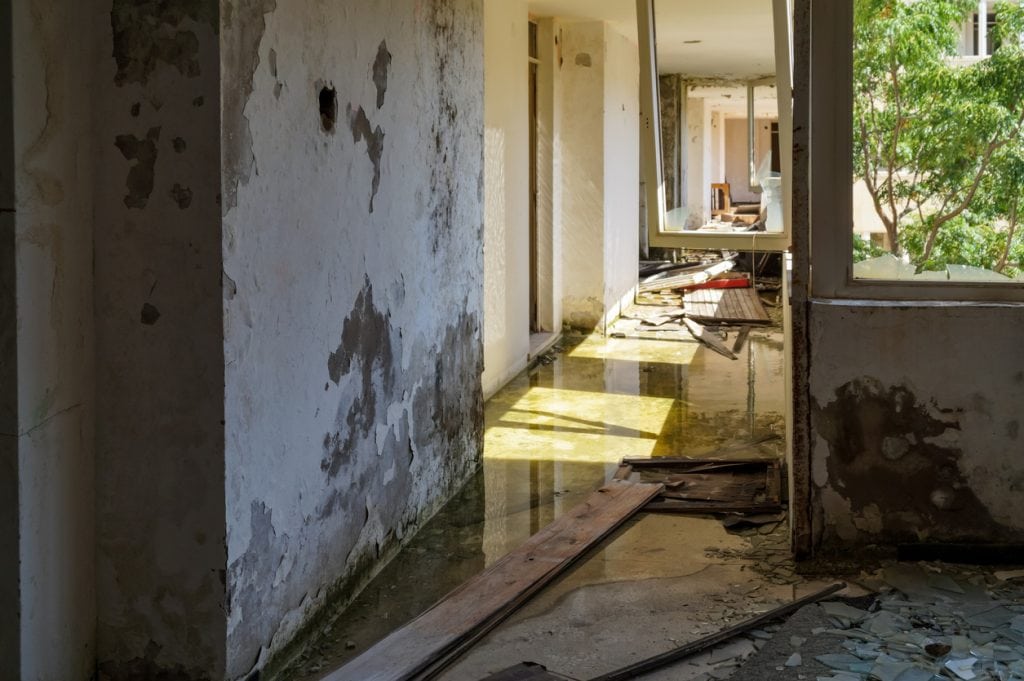
Insurance policies are designed to cover sudden and accidental damage from specific, covered perils like wind, hail, or fire. They are explicitly not designed to cover damage that occurs gradually over time due to normal aging, lack of maintenance, or pre-existing issues that were present before the claimed event occurred. Distinguishing between new storm damage and old, unrelated deterioration is a frequent point of contention in Florida claims, especially for roofs.
For example, after a hailstorm, an insurance adjuster will inspect your roof not only for hail impacts but also for the overall condition of the shingles. If they find that the shingles are old, brittle, extensively cracked, and were already in poor condition before the storm, they may deny the claim, arguing that the roof needs replacement due to its age and wear, not due to the hail. Similarly, if you claim water damage from a wind-driven rain event, but the adjuster finds evidence that the leak was actually caused by old, deteriorated flashing around your chimney, the claim may be denied on the grounds of wear and tear.
This is why regular home maintenance and keeping records of any repairs are so important. Being able to demonstrate that your property was in good condition before the storm strengthens your claim that the damage was indeed caused by the covered peril.
Material Misrepresentation or Insurance Fraud
Honesty and accuracy are paramount throughout the insurance application and claims process. Any attempt to intentionally mislead the insurance company, either by providing false information when you first purchased the policy or by misrepresenting the facts of a claim, can lead to an immediate denial and potentially severe legal consequences.
Material misrepresentation during the application process could involve failing to disclose relevant information about your property’s condition, its occupancy, or past claims history. If the insurer discovers this deception after a claim is filed, they may have grounds to void the policy entirely, leaving you with no coverage at all.
During the claims process itself, any intentional falsehood constitutes insurance fraud. This could include lying about the date or cause of the loss, submitting claims for damage that did not occur, intentionally inflating the value of damaged items, or concealing relevant information from the adjuster. Insurance companies investigate claims thoroughly, and if fraud is detected, the claim will be denied. Furthermore, insurance fraud is a serious crime that can result in hefty fines and even imprisonment. It is always essential to be completely truthful and transparent in all your dealings with your insurer.
Failure to Cooperate with the Investigation
Your insurance policy includes a clause outlining your duties after a loss, and one of these duties is to cooperate reasonably with the insurance company’s investigation of your claim. This cooperation is necessary for the insurer to verify the details of the loss, assess the damages, and determine the coverage available under your policy. An unreasonable failure to cooperate can be grounds for the claim to be denied.
Cooperation typically involves several key actions. You must allow the insurance adjuster reasonable access to your damaged property to conduct their inspections. You are generally required to provide any documents or records related to the loss that the insurer reasonably requests, such as repair estimates, receipts for temporary repairs, or inventories of damaged property. You may also be asked to answer questions about the circumstances of the loss, either informally or in a more formal recorded statement or Examination Under Oath (EUO).
While you should always protect your rights and avoid making speculative statements, an outright refusal to allow inspections, provide requested documents, or answer relevant questions can be seen as a breach of your policy obligations. This can give the insurer a procedural basis to deny your claim, even if the damage itself would have otherwise been covered.
Facing a denied insurance claim can be a deeply frustrating and financially damaging experience. While some denials are based on legitimate policy exclusions or failures by the policyholder, many others are the result of incomplete investigations, biased assessments, or an unfair interpretation of the policy language by the insurance company.
You do not have to accept an unfair denial as the final word. You have the right to challenge the insurer’s decision, and the most effective way to do so is with the help of your own expert advocate. A licensed public adjuster works exclusively for you, the policyholder. They can perform a thorough review of your policy, conduct their own detailed damage assessment, and build a comprehensive claim package that presents the strongest possible case for coverage. They can reopen negotiations with the insurance company and fight vigorously to overturn an improper denial or to secure a fair settlement for an underpaid claim.
If you believe your Florida insurance claim has been unfairly denied or underpaid, do not give up. Contact the experienced team at Claims Advocate Resolution Experts for a professional consultation. We understand the complexities of the claims process and are dedicated to fighting for the full and fair settlement you deserve.