
Why You Should Check for Attic Leaks Before the Holidays
The holiday season in Orlando is a time for family, celebration, and creating warm memories. As you plan for gatherings and begin to pull decorations from storage, the last thing on your mind is the structural integrity of your home. However, lurking just above the festivities, a hidden threat could be waiting. A small, undiscovered attic leak is a ticking time bomb. This minor issue can quickly escalate into a catastrophic problem, turning your holiday joy into a stressful and expensive disaster.
An attic leak is not just a drip; it is a symptom of a failure in your home’s primary defense system. What may seem insignificant can be a sign of compromised flashing, damaged shingles from a past storm, or poor ventilation. The holiday season, with its unique activities and demands, often creates the perfect storm to expose these vulnerabilities. Checking your attic for leaks before the holidays truly begin is not just a wise piece of home maintenance. It is a critical step in protecting your home, your family, and your peace of mind during the most important time of the year.
The Holidays Create a Perfect Storm for Leaks
You might wonder why the holiday season is a particularly high risk period for attic leaks. The reasons are a combination of homeowner activity, changing weather, and the simple fact that we interact with our homes differently during this time. The very act of preparing for the holidays can be the catalyst that turns a small issue into a major crisis.
First, consider the annual tradition of retrieving holiday decorations. For most Orlando homeowners, this means at least one trip up into the attic. You climb the ladder, navigate across joists, and shift boxes that have been sitting for eleven months. This activity can be perilous for your home. Stored items may have been hiding the subtle signs of a leak, like a small water stain or a patch of damp insulation. Moving them suddenly reveals a problem that has been festering for months. Furthermore, a misstep off a joist can send a foot straight through your ceiling, creating an immediate and costly repair.
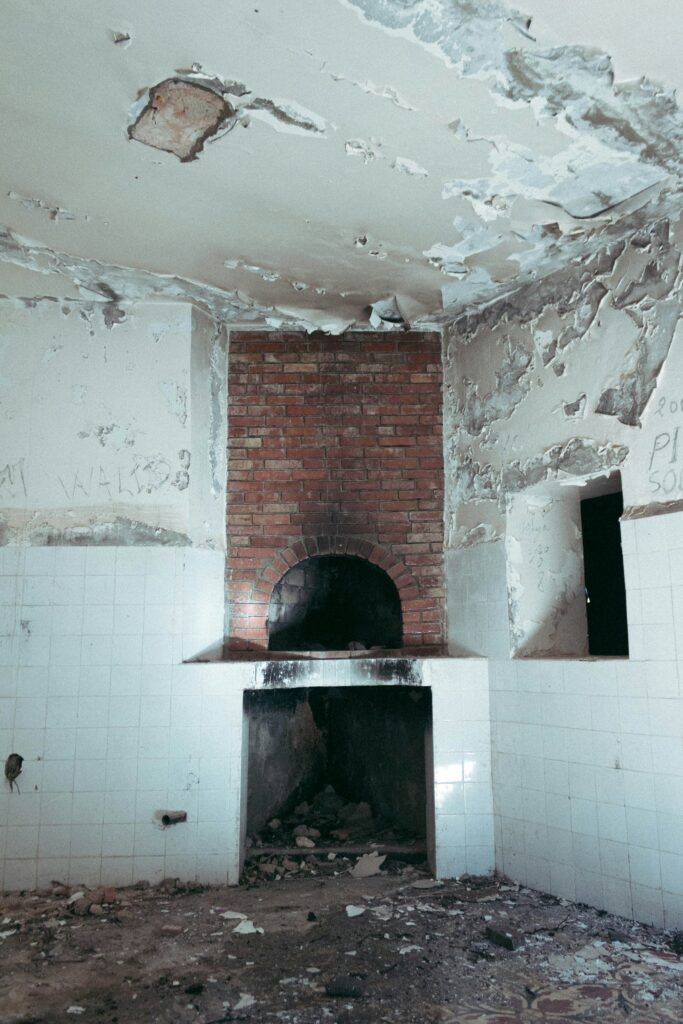
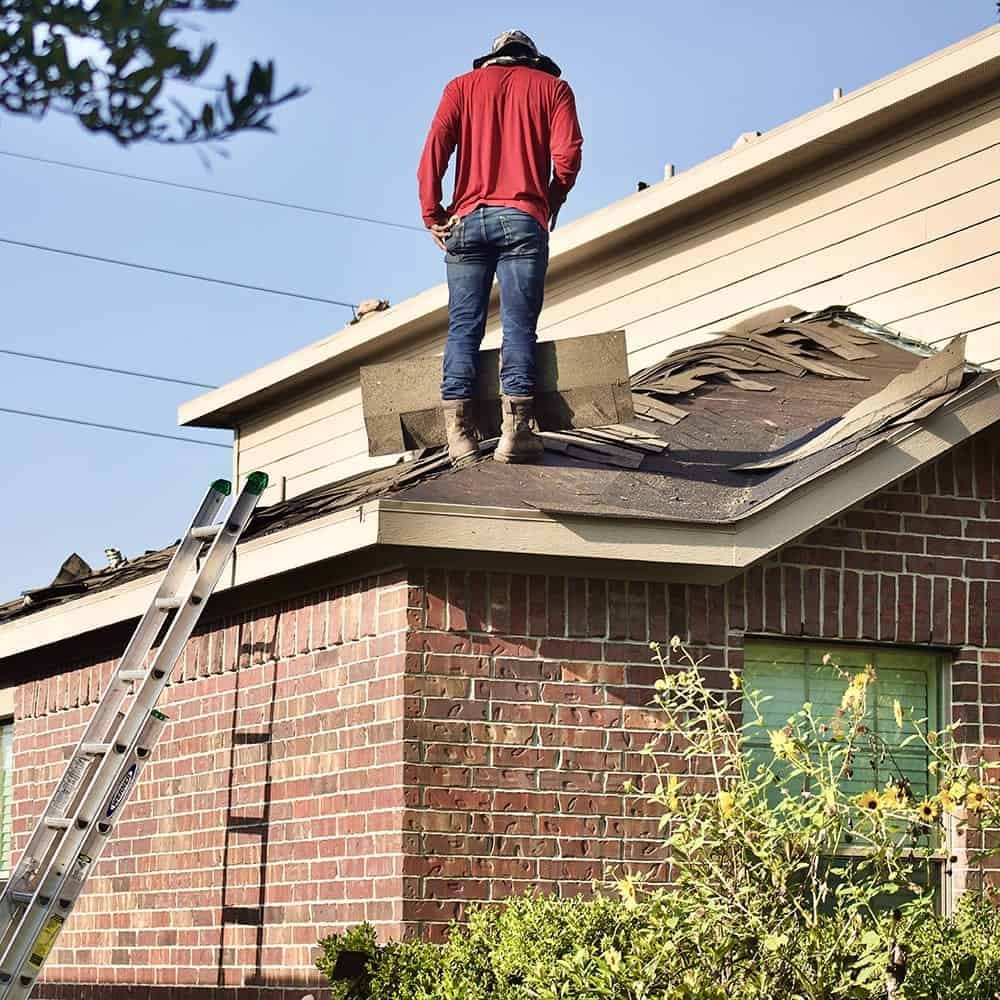
Second, the installation of holiday decor on your roof is a primary cause of new leaks. Many homeowners, in their festive spirit, use nails, staples, or screws to secure lights and displays to their shingles. Every single penetration, no matter how small, is a potential entry point for water. Walking on your roof, especially on tile or shingle, can crack materials and break the waterproof seals. These new, man made leaks may not be apparent until the first heavy rain. By then, water is already flowing into your attic.
Finally, the season itself contributes to the problem. Increased activity in the home from cooking, cleaning, and hosting guests releases a significant amount of warm, moist air. This air rises and, if your attic is not properly ventilated, it can condense on the cool underside of the roof decking. This condensation mimics a roof leak, saturating insulation and wood. This damp environment, combined with any existing leaks, creates a severe risk. Many homeowners are so busy with holiday preparations that they might ignore the first subtle signs, like a faint musty odor or a small ceiling stain, allowing the damage to spread unchecked.
The Hidden Dangers of a “Minor” Leak
It is tempting to dismiss a small stain or a bit of dampness. A common mistake is to place a bucket under a drip and assume the problem is contained. This is a critical error in judgment. The visible water is only the tip of the iceberg. The real damage is happening in places you cannot see, and it is silently compromising your home’s health and safety.
The most immediate threat is mold. In Florida’s humid climate, mold can begin to grow on damp surfaces in as little as 24 to 48 hours. An attic provides the perfect environment: it is dark, often humid, and full of organic material like wood and paper faced insulation. This mold does not stay in the attic. Spores can easily travel through your HVAC system, spreading throughout your home. This drastically reduces your indoor air quality, which is a serious health risk, especially for children, the elderly, and anyone with respiratory conditions. Hosting holiday guests in a home with an active mold problem is a significant liability.
Experiencing mold damage? Click here to see our mold damage claim service.
While the mold grows, the water is also destroying your insulation. Wet insulation loses its thermal resistance, or R value. It becomes compressed and useless. This means your heating system has to work much harder to keep your home comfortable during cooler weather, leading to a sudden and unexplainable spike in your utility bills. Eventually, the water will move from the insulation to the structure itself. The wooden rafters, joists, and roof decking will begin to absorb the moisture. This leads to wood rot, which compromises the structural integrity of your roof system. What started as a drip now requires a partial structural rebuild.
Perhaps the most terrifying risk is electrical. Your attic is full of electrical wiring for ceiling fans, lights, and junction boxes. Water and electricity are a lethal combination. A slow leak can drip onto a wire, shorting out a circuit. This can cause intermittent power failures, but it can also spark a fire. An electrical fire starting in your attic, especially when the home is full of dry holiday decorations and a Christmas tree, is an unimaginable catastrophe.
Signs of an Attic Leak You Cannot Ignore
Because the stakes are so high, it is essential to conduct a proactive inspection. You do not need to be a roofing expert to spot the most common warning signs. All you need is a good flashlight and a few minutes. The best time to check is during the day, after a heavy rain.
First, perform an inspection from inside your home. Look up at your ceilings in every room, especially in the corners where walls meet. You are looking for any discoloration. New water stains are typically light brown or yellow with a distinct outline. Older stains may be darker. Also look for any paint that is bubbling, peeling, or cracking. This is a sign that moisture is pushing the paint off the drywall.
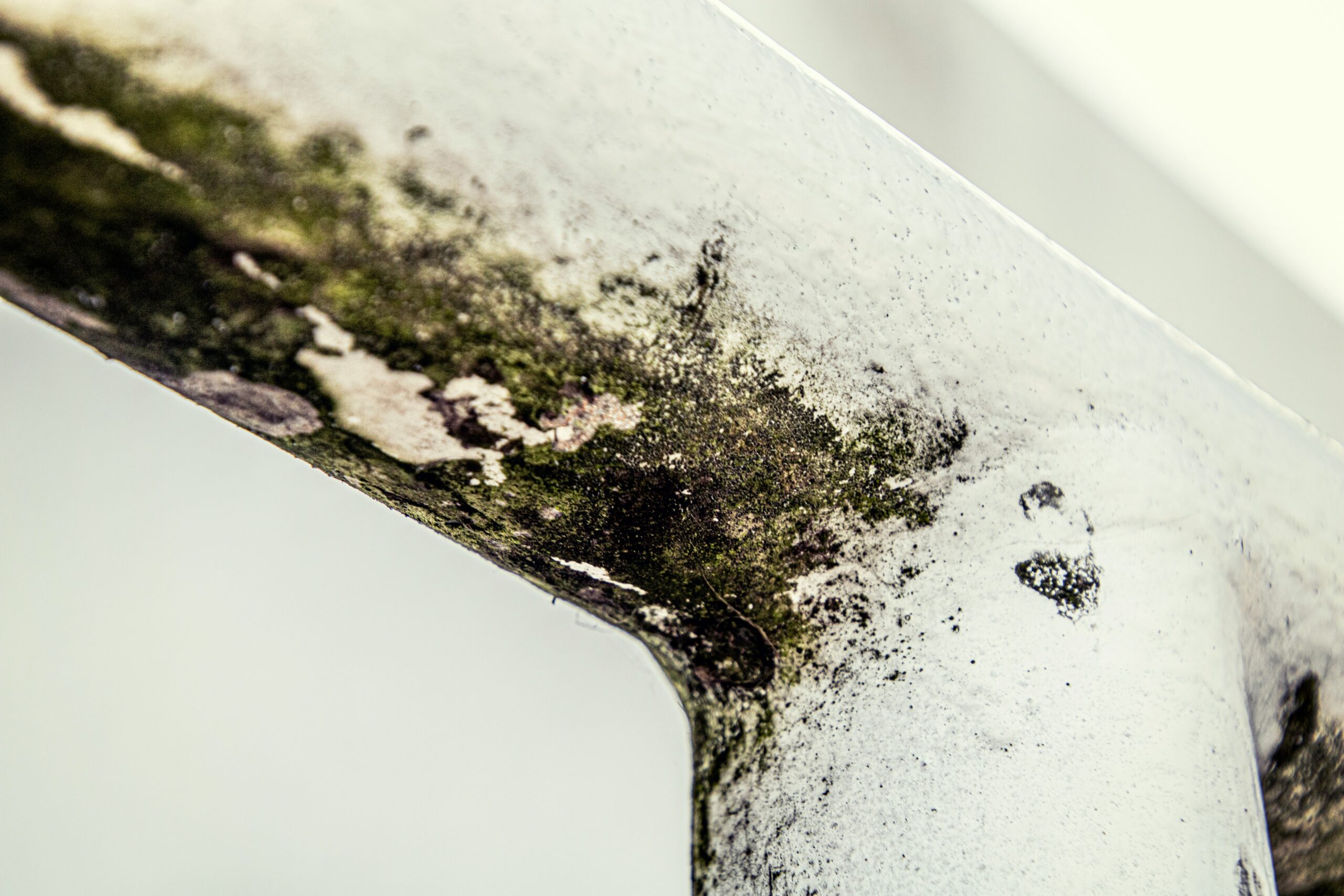
Next, carefully go into your attic. Do not go alone, and only walk on the joists or designated flooring. The first thing to use is your nose. A persistent musty or earthy smell is a major redflag for mold and mildew, even if you cannot see it. Use your flashlight to inspect the underside of the roof decking. Look for dark stains, water streaks running down the wood, or any visible light peeking through. A pinhole of light is a direct path for water.
Inspect the insulation. It should be light and fluffy. If you see areas that are matted down, compressed, or discolored, they are or have been wet. If it is safe to do so, feel these areas. Be sure to wear gloves. Also, check any pipes, vents, or chimneys that pass through your attic. The flashing around these penetrations is a common failure point. You may see water stains or rust on the pipes themselves.
The Insurance Battle: Why Your Claim Is Not Simple
If you find a leak, your first instinct is to call your insurance company. This is where the holiday nightmare truly begins. Insurance companies are notorious for finding reasons to deny or underpay claims related to water damage from a roof. The adjuster they send to your home works for them, and their job is to protect the insurer’s bottom line.
The most common denial tactic is to blame the leak on “wear and tear” or “poor maintenance.” They will argue that your roof is old, that the flashing failed due to neglect, or that the shingles deteriorated over time. These are typically excluded causes in most policies. They will try to separate the cause of the leak, which they will not pay for, from the resulting damage inside, which they may try to limit.
Do you have roof damage from a storm? Click here to learn what you can do.
If the leak was caused by your holiday decorating, such as nailing lights to the roof, they may try to deny the claim based on “faulty workmanship” or intentional damage. If the damage is from condensation, they may argue it is a ventilation or construction defect, not a “sudden and accidental” event. They will attempt to pay for a small patch on your roof and a can of stain blocking paint for your ceiling, ignoring the saturated insulation, hidden mold, and compromised structural wood.
Why You Need a Public Adjuster This Holiday
This is a battle you should not fight alone, especially during the holidays. A public adjuster is a state licensed professional who works exclusively for you, the policyholder. We are your advocate. When you hire US CARE Claims, you level the playing field. We do not work for the insurance company; we work for you.
We begin by conducting our own intensive investigation. We do not just look at the stain; we find the cause of the loss and document how it is a covered peril under your policy. We use thermal imaging cameras to trace the full extent of the water’s travel, finding hidden moisture in wall cavities and ceilings that the company’s adjuster will miss. We document the full scope of damage, including the cost of mold remediation, insulation replacement, structural repairs, and electrical work.
We then prepare and present a detailed, professional claim package to your insurer. We handle every phone call, every email, and every negotiation. We fight back against the “wear and tear” exclusions, using our deep knowledge of Florida insurance law and policy language. We ensure you are paid for everything you are owed, not just the cosmetic fixes. We take the entire burden of the claim off your shoulders, so you can focus on your family and your holiday.
The holiday season should be a time of peace, not a time spent arguing with an insurance adjuster. Before you pull out the decorations, take a few minutes to protect your home. A simple attic inspection can save you from a preventable disaster. If you do find a leak, your first call should be to a mitigation company to stop the damage, and your second call should be to US CARE Claims. Do not let a hidden leak steal your holiday. Let us handle the fight and ensure you get the full and fair settlement you deserve.