
Home Insurance Tips Before the New Year
The end of the year is a time for reflection, celebration, and looking forward. We make resolutions for our health, our finances, and our personal growth. However, one critical area is often left off the list until it is too late: our home insurance. In Orlando, the “winter” season does not bring blizzards, but it brings a specific set of risks and critical deadlines that every homeowner must respect. The transition into a new year is the perfect trigger to review your policy, assess your property, and ensure you are not leaving money on the table from previous storms.
Insurance policies are not stagnant documents; they are living contracts that need to evolve with your life and the laws of Florida. As we approach the new year, the window to file claims for past hurricanes is closing faster than ever due to recent legislative changes. Additionally, the holiday season itself introduces unique hazards—from Christmas tree fires to decorating accidents—that can lead to denied claims if you are not careful. Before you pop the champagne, take these essential steps to secure your home and your financial future.
Check Your Deadlines: The Clock Is Ticking
For years, Florida homeowners had a generous three year window to file hurricane claims. Those days are gone. Recent changes to Florida Statutes have drastically reduced the time you have to report a loss. For storms occurring after December 2022, you generally have only one year to file an initial claim and 18 months to file a supplemental claim. This makes the end of the year a critical checkpoint.
If you sustained damage from Hurricane Idalia (August 2023), your deadline to file a “supplemental” claim—which is a request for additional money if the initial payment was not enough—is fast approaching in February 2025. If you have been sitting on a lowball offer or delaying repairs, you are about to run out of time. Once that 18 month deadline passes, you are forever barred from asking for more money for that loss.
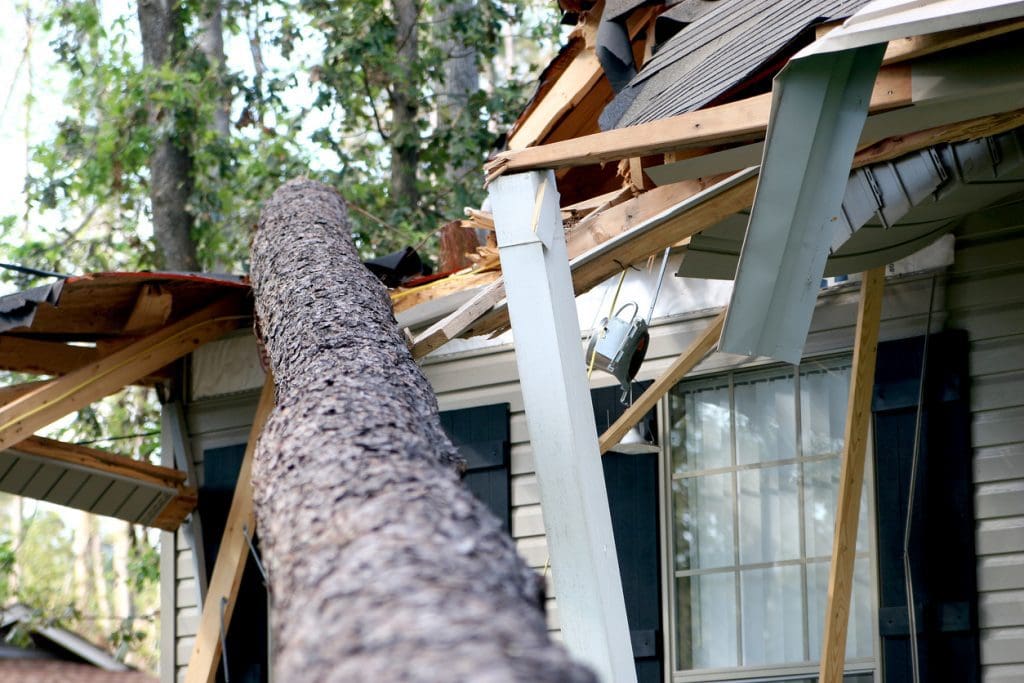
For the storms of 2024, the clock is already ticking on your one year initial filing window. If you noticed a minor leak or a few missing shingles but decided not to file, you need to reconsider before the deadline catches you off guard. Use this time to review any open claims or lingering damage. If you are unsure about your specific deadlines, a public adjuster can review your dates of loss and help you take action before the ball drops.
Don’t Let the Holidays Burn You
While we don’t worry about snow load on our roofs, Orlando residents face a statistically higher risk of house fires during December and January than any other time of year. The combination of dried out Christmas trees, unattended candles, and overloaded electrical circuits creates a perfect recipe for disaster. Insurance carriers investigate fire claims aggressively. If they determine a fire was caused by gross negligence—like daisy chaining ten extension cords together—they may try to complicate your claim.
Do you have fire damage? Click here for our fire damage insurance adjuster.
The most common holiday related denial we see involves “maintaining the hazard.” If you leave a live Christmas tree up until February and it becomes a brittle, explosive fire hazard, an adjuster could argue you failed to maintain a safe environment. Make a plan to dispose of your tree promptly after the holidays.
Be equally cautious with space heaters. On those rare nights when Central Florida temperatures dip into the 30s, many homeowners pull dusty space heaters out of the attic. If these units malfunction or are placed too close to curtains, the results can be catastrophic. Check your smoke detectors now. It is a simple step that protects your life and strengthens your position if you ever have to file a fire claim.
The “Freeze” Myth: Protect Your Pipes
It is a common misconception that Florida homes are immune to frozen pipes. Because our homes are not built for freezing weather, our pipes are often located in uninsulated attics or exterior walls, making them more vulnerable when a cold front hits. A burst pipe can pump hundreds of gallons of water into your home in minutes, causing massive damage to drywall, flooring, and cabinetry.
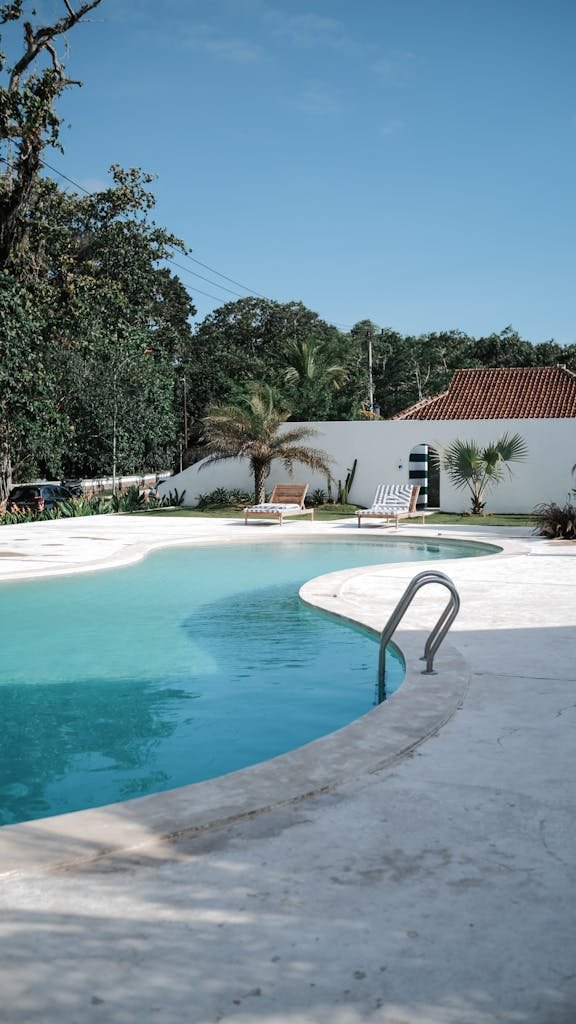
The biggest risk is often your outdoor plumbing and pool equipment. A hard freeze can crack the manifold on your pool pump or shatter exposed PVC irrigation lines. Before the coldest weeks of January and February arrive, take a walk around your property. Insulate any exposed exterior pipes with foam covers. If a freeze warning is issued, let your indoor faucets trickle to keep water moving.
If you plan to travel for the holidays, do not turn your heat completely off. Set it to at least 60 degrees. If a pipe bursts while you are away and the insurance company finds you turned the HVAC off to save money, they may deny the water damage claim under the “failure to maintain heat” exclusion found in many policies.
Update Your Inventory for High Value Gifts
The holiday season often brings new valuables into the home. Whether it is a new diamond necklace, a high end gaming computer, or a professional camera, these items increase the total value of your personal property. Standard homeowners policies have strict “sub limits” for certain categories of items. For example, your policy might only cover jewelry up to $1,500 total, regardless of how much your new ring is worth.
Need to know how to file a claim after a house fire? Click here for more information.
If you receive a high value gift this year, you need to call your agent and ask about “scheduling” the item. This adds a specific endorsement to your policy that covers the item for its full appraised value, often with no deductible.
Simultaneously, this is the best time to update your home inventory. Walk through your house and take a video of your new belongings. Open drawers and closets. Upload this video to the cloud. If you suffer a theft or a fire in the coming year, this video will be the undeniable proof you need to get paid for your personal property. Without it, you are left relying on your memory, which is exactly what the insurance company hopes for.
Decorate Without Damaging Your Roof
We all want our homes to look festive, but your roof is not a bulletin board. Every year, we see homeowners who have inadvertently caused leaks by stapling lights directly into their asphalt shingles. Every staple is a new hole in your waterproofing layer. When you remove the lights in January, those tiny holes remain, allowing water to seep into the decking with every rainstorm.
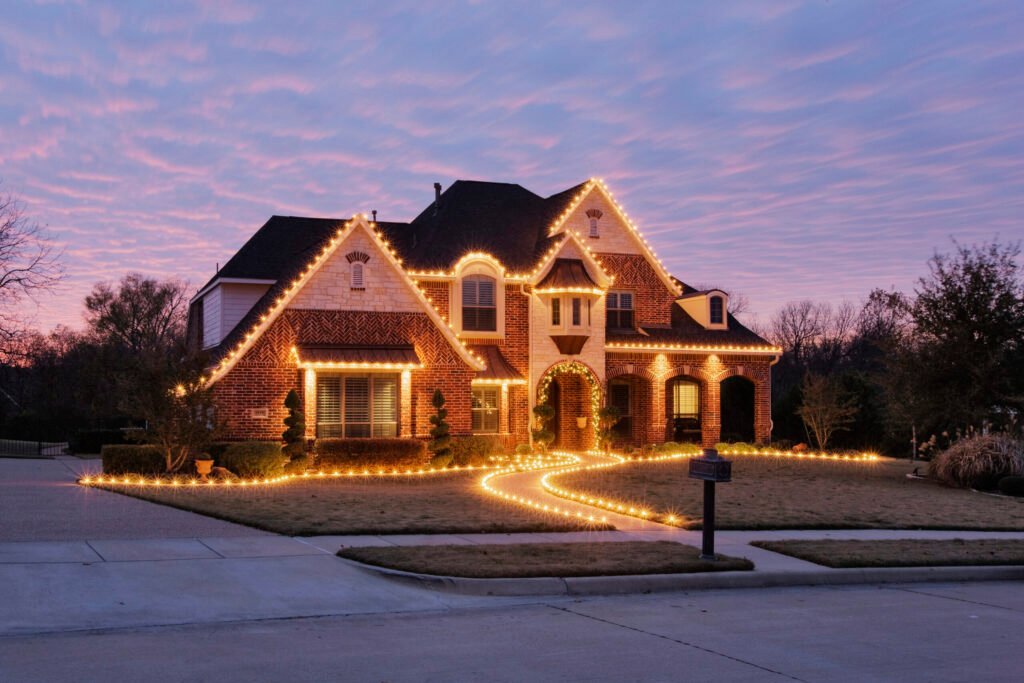
Insurance companies classify this as “damage caused by the insured,” and it is typically not covered. Even worse, if a storm comes later and tears off those shingles, the adjuster may point to the staple holes as evidence of “improper maintenance” or “prior damage” to deny your wind claim.
Use plastic clips that attach to the gutters or the eaves. Never lift up your shingles to slide wires underneath them; this breaks the adhesive seal that protects your roof from wind uplift. If you hire a professional lighting company, ensure they are licensed and insured. If they damage your roof, their liability insurance should pay for it, not your homeowners policy.
The end of the year is more than just a calendar change; it is a critical threshold for your insurance rights. The deadlines for Hurricane Idalia and other recent storms are final. Once they pass, your opportunity to recover money for those losses is gone forever. Use this time to perform a safety check, update your inventory, and secure your home against winter risks. If you find old damage during your inspection, or if you are unsure if your current claim was paid correctly, do not wait for the new year to start. Call US CARE Claims. We will review your policy and your property to ensure you start the year fully protected and fully paid.